Post-Production
Filmmaking - Post-Production
Featured 1/4
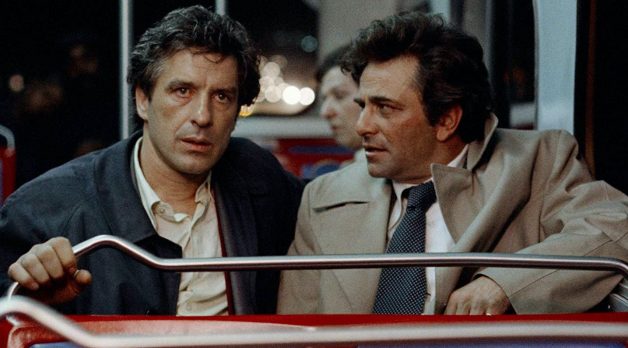
“Don’t Expect to Like ‘Em:” The Making of Elaine May’s Mikey and Nicky
 Mikey and Nickey
Entering to a standing ovation at a Friday-night screening of Mikey and Nicky at New York’s Metrograph on December 6, Elaine May looked out at the full house. “I was told this entire audience is made up of editors,” she… Read more

-
AI Is Already Changing Filmmaking: How Filmmakers Are Using These New Tools in Production and Post

When Sora, OpenAI’s video generator model, hit the internet in February, realistic-looking demo videos flooded social media, usually accompanied by some form of “RIP Hollywood” commentary. While Sora still isn’t publicly available, between Runway, Pika and a slew of other video and image generators there have been many questions about what the future of filmmaking will look like—and whether humans will even be the ones making movies in the future. Right now, generative AI is still far away from creating consistent characters and the exact, carefully crafted images that industry professionals require. Maybe a movie will be entirely generated with […]
-
“The Fact That It’s Thermal Imagery, It Hits Memory in a Different Way”: EDGLRD Creative Director Joao Rosa on Harmony Korine’s Visionary AggroDr1ft

Harmony Korine’s AggroDr1ft unfurls through sheets of kaleidoscopic color — neon shades of gold, aqua and red — that ripple and pulse, achieving almost an intelligence of their own as they add expressionistic textures to the film’s Miami-set tale of a melancholy hitman out for a demonic Final Boss. And while the narrative recalls, at times, Robert E. Howard, Michael Mann and Grand Theft Auto, the film’s genuinely unique method of production allows its hallucinatory vibe — aided by an insidious AraabMuzik score — to reign supreme. Working with his team at new production outfit EDGLRD, including creative director Joao […]
-
2023 in Review: 5 Quick Tech Takeaways from September’s New York Film Festival

Those of us who live in New York are treated each fall to a Whitman’s Sampler of world cinema, a curated selection of highlights from some of the year’s most prestigious international festivals. It’s hardly a large sample size, given the annual output of theatrical films worldwide, but it’s a weathervane nonetheless. Which way were the winds blowing this year? Take what I say below with a grain of salt. I saw 27 feature films at NYFF 61, out of the 44 selections programmed in the Main Slate and Spotlight sections. A modest sample within a modest sample, in other […]
-
“I Wish Film Schools Would Teach Directors and Producers More About Music Rights”: Music Supervisor Lucy Bright

Early in music supervisor Lucy Bright’s career, she worked at Warner Classics and managed composer Michael Nyman. In 2020 she started Bright Notion Music, her own music publishing company, which has signed composers such as Hildur Guðnadóttir, Oliver Coates, and Anne Nikitin. She is known for critically acclaimed British films such as The Arbor and Slow West and more recently Tár, where her classical understanding and personal familiarity with the composers referenced in the script, helped create the movie that was named Best Picture by several major critics associations. Bright was also awarded the first ever prize for music supervision […]
-
“If You Know the Song, and Your Mother Knows the Song, You Can’t Afford the Song”: Music Supervisor Susan Jacobs Demystifies the Profession

Over her two-decade-long career, music supervisor and self-confessed music nerd Susan Jacobs has worked with directors such as Robert Altman, Jean-Marc Vallée and Spike Lee. She has worked on notable TV series and films such as I, Tonya, American Hustle, and Little Miss Sunshine. She won the first ever Emmy award for music supervision for her work on Vallée’s Big Little Lies, where she worked without a composer, handpicking specific sounds and musical artists for each character in an attempt to mirror the intricacies of their personal lives. On another Vallée project, Sharp Objects, Jacobs exhibited this aptitude again, building […]
-
“I Like the Challenge of Trying to Find a New Approach to Music That Doesn’t Feel Tired”: Music Supervisor Jemma Burns on Creativity and Musicology

After going to school for film at the University of East London, Jemma Burns began music supervising on TV series Summer Heights High. She has worked on noteworthy film and TV series’ like Okja and Top of the Lake. More recent credits include Heartbreak High, which featured 128 songs of different genres, from pop ballads from musical artists like Dua Lipa and Steve Lacy to more underground drill and trap beats. For the Ari Aster film Beau is Afraid, Burns was able to land Mariah Carey’s “Always Be My Baby” for a peculiar and freaky sex scene by being strategic […]