Distribution
Filmmaking - Distribution
Featured
MEMORY Announces Summer Theatrical and Digital Release Dates for Microbudget Pandemic Comedy New Strains
 New Strains
MEMORY, the L.A.-based production and now distribution company featured in Filmmaker‘s 2016 25 New Faces list announced today the release plans for New Strains, a microbudget, camcorder-shot pandemic comedy from a pair of filmmakers, Artemis Shaw and Prashanth Kamalakanthan, also… Read more
Represent Justice Announces New Speakers Bureau, Strategic Plan and Impact Campaign Around Clemency for Women Impacted by Mandatory Minimum Sentences
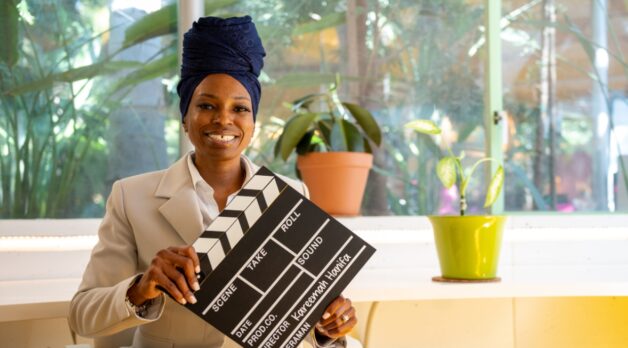 Ambassador Kareemah Hanifa during the Producing Your Story Training (credit: Represent Justice)
Represent Justice, the organization that began as an impact campaign for Destin Daniel Cretton’s wrongful-conviction drama, Just Mercy, announced today via press release a three-year strategic plan, “a roadmap for building narrative power and infrastructure around people impacted by incarceration… Read more
Doc (and Art-Film) Blocking: How Algorithmic Content Moderation is Hurting Indie Films
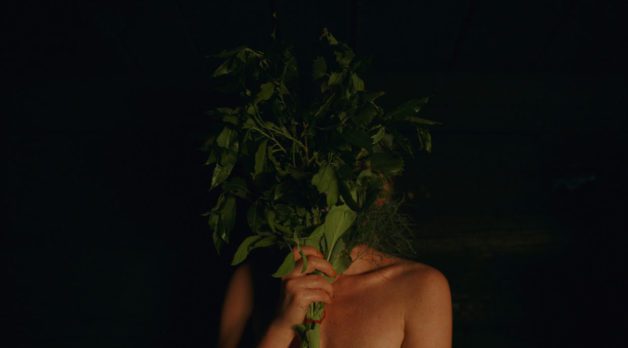 Smoke Sauna Sisterhood, courtesy of Sundance Institute
You have to look hard to find a trailer for the recent release of Smoke Sauna Sisterhood, Estonia’s entry for this year’s Best International Feature Film category, on Facebook and Instagram — and forget about clips. Even though the lyrical… Read more
HieronyVision Announces “30×30” Film Independent Partnership Winners
HieronyVision, an online platform that aims to “establish a new creative ecosystem across independent and alternative movies, music and art,” has announced the 30 filmmakers selected as part of a Film Independent partnership. The filmmakers, chosen from five film schools… Read more
-
Sundance 2023 Documentary Sales and Beyond: Stark Realities, Golden Opportunities

Distribution strategist Peter Broderick, whose articles on microbudget filmmaking were foundational in the early days of this magazine, publishes a weekly newsletter that is a must-read for anyone tracking the independent film industry. A recent edition, his report on Sundance 2023 documentary sales, has prompted discussion and clarified important current trends in non-fiction acquisitions. This report is reprinted with his permission. Sign up for Broderick’s newsletter here. — Editor “Every independent filmmaker should learn the lessons of Sundance. This year’s festival revealed critically important developments in the indie ecosystem.” Let’s start with the same two sentences that began my Special Report […]
-
How To Run a DIY Oscar Campaign
Now that the drama is over about whether the Academy would disqualify Andrea Riseborough for her rules-skirting DIY Oscar campaign for To Leslie, we can now return to the question every indie filmmaker wants to know. Just how do you run a DIY Oscar campaign on an indie film that grossed less than $30,000? I don’t know exactly how she did it, but I can tell you how I did it with my recent Watergate thriller/comedy 18½ that grossed about the same (though with slightly different results). In short, the road to getting an Oscar nomination (much less an award) […]
-
Made with DALL-E-2: Prashanth Kamalakanthan and Artemis Shaw on the Poster for Their Rotterdam-Premiering New Strains
For their Rotterdam-premiering feature New Strains‘s poster, Prashanth Kamalakanthan and Artemis Shaw knew they didn’t want to use an actual image from their pandemic production, which was shot on Hi-8. And they wanted an image that in addition to being beautiful would formally resonate with the film itself, a story of visiting young lovers (played by the filmmakers) stuck in New York when a travel ban hits at the start of a pandemic. “We were thinking about that sense of being frozen in time,” Shaw says. “In March, 2020, everyone was obsessed with the news, but we were all stuck […]
-
Watch: Rachel Gordon and James-Michael Boyer Explain Documentary Educational Distribution
Rachel Gordon, author of the recently published and recommended The Documentary Distribution Toolkit: How to Get Out, Get Seen, and Get an Audience and James Boyer, director of operations at distributor Collective Eye Films, join D-Word founder Doug Block for this useful conversation about documentary distribution and all of its related subjects. In the talk, Boyer talks about things like needed deliverables, how his company makes acquisitions and the role of festivals in launching films, and Gordon talks about the realities of self-distribution, grassroots marketing techniques, and identifying and interacting with educational instructors who may be able to place films […]
-
With Airline Sales, Watergate Film 18 1/2 Soars Into the Mile-High Club
At a time when big-budget Hollywood films have no guarantees of being seen by audiences at all, it’s gratifying that independent films can still find unique ways to connect with the public, largely by controlling their own destinies. I’m happy to say that after playing 25 festivals on four continents, touring with a 60-city theatrical release this summer and releasing on VOD in four countries, my Watergate thriller/comedy 18½ will also start “airing” this September on JetBlue Airways, Virgin Atlantic, Air New Zealand, Qatar Airways, Emirates and Singapore Airlines, among others. For the next several months, there’s a good chance […]
-
The Evolution of Impact: The Future of Social Change and Nonfiction Storytelling
The conversation about documentary impact has undergone a number of shifts since impact producing began to emerge as a practice within the documentary field around 20 years ago. Today it is almost expected that a social issue documentary film will be accompanied by an impact campaign to help ensure its story will reach audiences and motivate them towards social change, deeper engagement with a story’s themes and further learning. But earlier, things were different—the argument had to be made that some documentary filmmakers should focus on impact and to develop best practices for engaging audiences around a film and its […]